Scammers don't always look suspicious.
Sometimes, they look like the deal you've been waiting for.
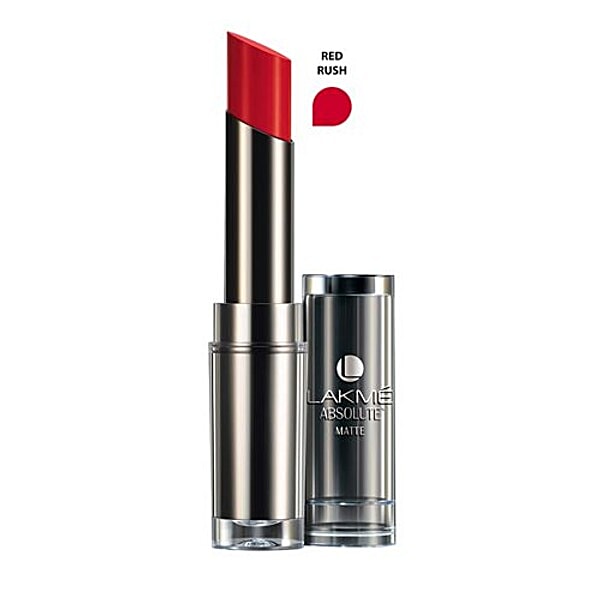
Lakme Lipstick
Apple Earbuds
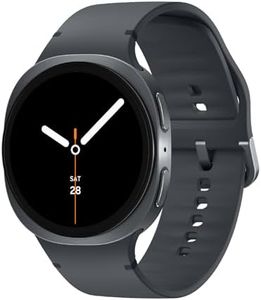
Samsung Watch
Puma Shoes
Samsung Mobile
Every "too good to be true" offer shares the same warning signs. Learn them before you click.
A ₹50 lipstick that normally costs ₹799? A huge discount should make you verify the seller and offer before buying. If the math doesn't add up, it's designed to stop your logic.
Scam sites look polished but have no history, no "About Us", no real contact info. Check the domain age, URL spelling, and whether the site uses HTTPS properly.
"Limited Time Offer", "Only 2 left!", countdown timers that reset — urgency is a mind hack. Real sales don't need to panic you into clicking.
If the payment page asks for unusual details, shows a weird URL, or pushes UPI/crypto-only options with no buyer protection — pause. Real stores use secure, traceable gateways.
5-star reviews with generic text, posted on the same day, from accounts with no profile — that's a review farm. Real reviews have detail, variation, and history.
If it feels like a glitch in the matrix, it probably is. A ₹999 Apple earbud offer, ₹2,999 Samsung watch, or ₹8,999 Samsung mobile can still be bait when the seller and offer cannot be verified. The real product never arrives, or it's a cheap knockoff.
Tap each item as you verify it. Make this a habit before every online purchase.
✓ Checked items turn green. No data is saved — this is your personal reminder.
Three offers appear below. Tap "Spot the red flags" on each to reveal what's suspicious.
NikeZone Deals
Premium Running Shoes
"95% off — genuine product, free shipping!"
TechBazaar
Wireless Bluetooth Earbuds
"Limited stock — grab yours before it's gone!"
FashionGram
Designer Makeup Kit
"Free gift with purchase — only 3 left!"
A ₹10 scam can cost you
more than ₹10,000.
By the time you realise the product never arrives — or your card details have been harvested — the real price has already been paid. Pause. Verify. Then decide.